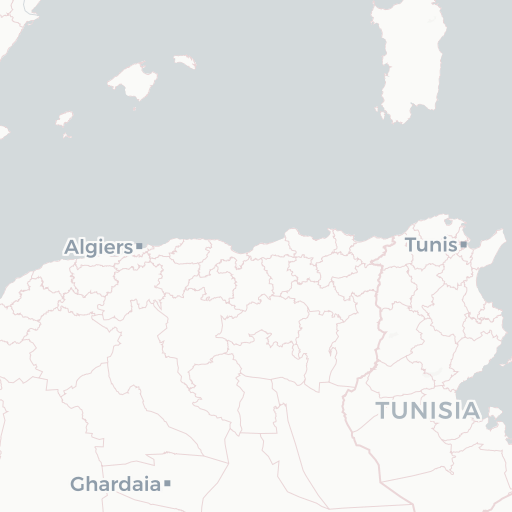
Don't let them tell us stories. Don't let them say of the man sentenced to death "He is going to pay his debt to society," but: "They are going to cut off his head." It looks like nothing. But it does make a little difference. And then there are people who prefer to look their fate in the eye.
It is the failing of a certain literature to believe that life is tragic because it is wretched. Life can be magnificent and overwhelming — that is its whole tragedy. Without beauty, love, or danger it would be almost easy to live. And M. Sartre's hero does not perhaps give us the real meaning of his anguish when he insists on those aspects of man he finds repugnant, instead of basing his reasons for despair on certain of man's signs of greatness. The realization that life is absurd cannot be an end, but only a beginning. This is a truth nearly all great minds have taken as their starting point. It is not this discovery that is interesting, but the consequences and rules of action drawn from it.
O light! This is the cry of all the characters of ancient drama brought face to face with their fate. This last resort was ours, too, and I knew it now. In the middle of winter I at last discovered that there was in me an invincible summer.
 Albert Camus·1954
O light! This is the cry of all the characters of ancient drama brought face to face with their fate. This last resort was ours, too, and I knew it now. In the middle of winter I at last discovered that there was in me an invincible summer.
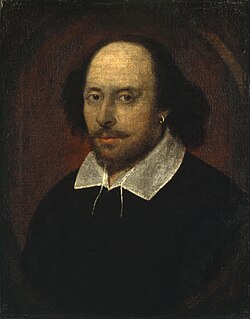 William Shakespeare·1592
Now is the winter of our discontentMade glorious summer by this sun of York.
 Kobayashi Issa·1819
In this world / we walk on the roof of hell / gazing at flowers