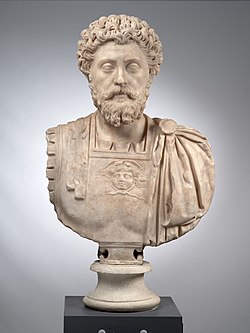
So remember this principle when something threatens to cause you pain: the thing itself was no misfortune at all; to endure it and prevail is great good fortune.

“In each moment the fire rages, it will burn away a hundred veils. And carry you a thousand steps toward your goal.”
So remember this principle when something threatens to cause you pain: the thing itself was no misfortune at all; to endure it and prevail is great good fortune.

You gain strength, courage, and confidence by every experience in which you really stop to look fear in the face. You are able to say to yourself, "I have lived through this horror. I can take the next thing that comes along." … You must do the thing you think you cannot do.

Now is the winter of our discontentMade glorious summer by this sun of York.

Occasions of adversity best discover how great virtue or strength each one hath. For occasions do not make a man frail, but they show what he is.

Things are not so painful and difficult of themselves, but our weakness or cowardice makes them so.
Yet, notwithstanding, temptations turn greatly unto our profit, even though they be great and hard to bear; for through them we are humbled, purified, instructed. All Saints have passed through much tribulation and temptation, and have profited thereby.

Your pain is the breaking of the shell that encloses your understanding. Even as the stone of the fruit must break, that its heart may stand in the sun, so must you know pain.
It is good for us that we sometimes have sorrows and adversities, for they often make a man lay to heart that he is only a stranger and sojourner, and may not put his trust in any worldly thing. It is good that we sometimes endure contradictions, and are hardly and unfairly judged, when we do and mean what is good. For these things help us to be humble, and shield us from vain-glory.
He who remembers the evils he has undergone, and those that have threatened him, and the slight causes that have changed him from one state to another, prepares himself in that way for future changes and for recognizing his condition. The life of Caesar has no more to show us than our own; an emperor's or an ordinary man's, it is still a life subject to all human accidents.

At the bottom of the fall we were able to stand again on dry land. The rope could not be recovered. We had flung down the adze from the top of the fall and also the logbook and the cooker wrapped in one of our blouses. That was all, except our wet clothes, that we brought out of the Antarctic, which we had entered a year and a half before with well-found ship, full equipment, and high hopes. That was all of tangible things; but in memories we were rich. We had pierced the veneer of outside things. We had "suffered, starved and triumphed, groveled down yet grasped at glory, grown bigger in the bigness of the whole. We had seen God in His splendours, heard the text that Nature renders." We had reached the naked soul of man.

We will either find a way through these mountains, or we will make a way through them. No barrier of nature shall stop us.

Need and struggle are what excite and inspire us; our hour of triumph is what brings the void. Not the Jews of the captivity, but those of the days of Solomon's glory are those from whom the pessimistic utterances in our Bible come.

It is not a dream, it is a simple feat of scientific electrical engineering, only expensive — blind, faint-hearted, doubting world! . . . Humanity is not yet sufficiently advanced to be willingly led by the discover's keen searching sense. But who knows? Perhaps it is better in this present world of ours that a revolutionary idea or invention instead of being helped and patted, be hampered and ill-treated in its adolescence — by want of means, by selfish interest, pedantry, stupidity and ignorance; that it be attacked and stifled; that it pass through bitter trials and tribulations, through the heartless strife of commercial existence. So do we get our light. So all that was great in the past was ridiculed, condemned, combated, suppressed — only to emerge all the more powerfully, all the more triumphantly from the struggle.

Man needs difficulties; they are necessary for health.
All is not frustrated, though thou find thyself very often afflicted or grievously tempted. Thou art man, not God; thou art flesh, not an angel.

But between us and Goodness the gods have placed the sweat of our brows: long and steep is the path that leads to her, and it is rough at the first; but when a man has reached the top, then is she easy to reach, though before that she was hard.

We cannot avoid meeting great issues. All that we can determine for ourselves is whether we shall meet them well or ill.

Kites rise highest against the wind, not with it.
A mere life of ease is not in the end a very satisfactory life, and, above all, it is a life which ultimately unfits those who follow it for serious work in the world. In the last analysis a healthy state can exist only when the men and women who make it up lead clean, vigorous, healthy lives; when the children are so trained that they shall endeavor, not to shirk difficulties, but to overcome them; not to seek ease, but to know how to wrest triumph from toil and risk.
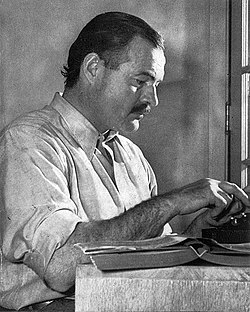
The world breaks everyone, and afterward, many are strong at the broken places.
I wish to preach, not the doctrine of ignoble ease, but the doctrine of the strenuous life, the life of toil and effort, of labor and strife; to preach that highest form of success which comes, not to the man who desires mere easy peace, but to the man who does not shrink from danger, from hardship, or from bitter toil, and who out of these wins the splendid ultimate triumph.
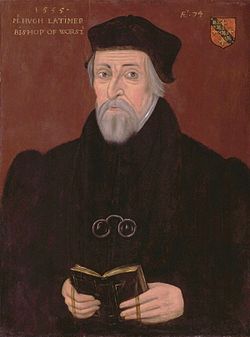
Be of good comfort, Master Ridley, and play the man. We shall this day light such a candle, by God's grace, in England, as I trust shall never be put out.
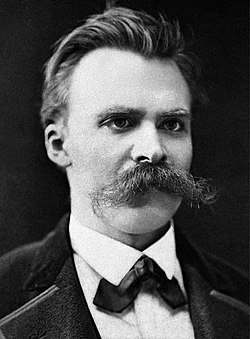
That which does not kill us makes us stronger.

Man is a dream of a shadow. But when god-given brightness comes, a shining light rests on men, and life is sweet.

Therefore, this terror of the mind and the darkness must be dispelled not by the rays of the sun or the bright light of day, but by the appearance and reasoning of nature.