
Students, when you want to say something, think about it three times before you say it. Speak only if your words will benefit yourselves and others. Do not speak if it brings no benefit.

“The man of perfect virtue is cautious and slow in his speech. When a man feels the difficulty of doing, can he be other than cautious and slow in speaking?”
Students, when you want to say something, think about it three times before you say it. Speak only if your words will benefit yourselves and others. Do not speak if it brings no benefit.

Right here let me make as vigorous a plea as I know how in favor of saying nothing that we do not mean, and of acting without hesitation up to whatever we say. A good many of you are probably acquainted with the old proverb: "Speak softly and carry a big stick—you will go far." If a man continually blusters, if he lacks civility, a big stick will not save him from trouble; and neither will speaking softly avail, if back of the softness there does not lie strength, power.

Of a surety, at the Day of Judgment it will be demanded of us, not what we have read, but what we have done; not how well we have spoken, but how holily we have lived.

The wise man should restrain his senses like the crane and accomplish his purpose with due knowledge of his place, time and ability.
Let us speak courteously, deal fairly, and keep ourselves armed and ready.
To account nothing of one’s self, and to think always kindly and highly of others, this is great and perfect wisdom.
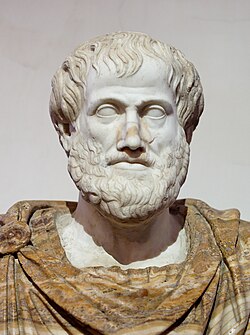
It is well said, then, that it is by doing just acts that the just man is produced, and by doing temperate acts the temperate man; without doing these no one would have even a prospect of becoming good. But most people do not do these, but take refuge in theory and think they are being philosophers and will become good in this way, behaving somewhat like patients who listen attentively to their doctors, but do none of the things they are ordered to do.

Those who would administer wisely must, indeed, be wise, for one of the serious obstacles to the improvement of our race is indiscriminate charity.
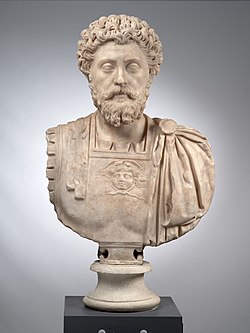
From my mother, piety and beneficence, and abstinence, not only from evil deeds, but even from evil thoughts; and further, simplicity in my way of living, far removed from the habits of the rich.

Great wisdom is generous; petty wisdom is contentious. Great speech is impassioned, small speech cantankerous.
Thou oughtest in every deed and thought so to order thyself, as if thou wert to die this day.

There are two sentences inscribed upon the Delphic oracle, hugely accommodated to the usages of man's life: "Know thyself," and "Nothing too much;" and upon these all other precepts depend.

Do you have the patience to wait till your mud settles and the water is clear? Can you remain unmoving till the right action arises by itself?
Wise men don't need to prove their point; men who need to prove their point aren't wise. The Master has no possessions. The more he does for others, the happier he is. The more he gives to others, the wealthier he is. The Tao nourishes by not forcing. By not dominating, the Master leads.
He is truly great that is great in charity. He is truly great that is little in himself, and maketh no account of any height of honor. And he is truly learned that doeth the will of God, and forsaketh his own will.

One's philosophy is not best expressed in words; it is expressed in the choices one makes. In stopping to think through the meaning of what I have learned, there is much that I believe intensely, much I am unsure of. In the long run, we shape our lives and we shape ourselves. The process never ends until we die. And, the choices we make are ultimately our own responsibility.

I rely on two precedents: first, to similar cases our Sages applied the verse, "It is time to do something in honour of the Lord: for they have made void thy law"... Secondly, they have said, "Let all thy acts be guided by pure intentions." ...Lastly, when I have a difficult subject before me—when I find the road narrow, and can see no other way of teaching a well established truth except by pleasing one intelligent man and displeasing ten thousand fools—I prefer to address myself to the one man, and to take no notice whatever of the condemnation of the multitude; I prefer to extricate that intelligent man from his embarrassment and show him the cause of his perplexity, so that he may attain perfection and be at peace.
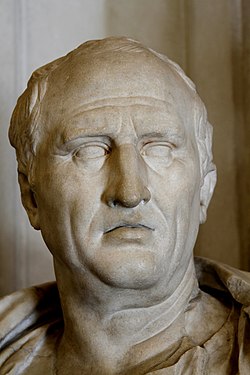
All praise of virtue consists in action.

First say to yourself what you would be; and then do what you have to do.

Let us be silent, that we may hear the whisper of the gods.
Do after the good and leave the evil, and it shall bring you to good fame and renown.
Knowing others is intelligence; knowing yourself is true wisdom. Mastering others is strength; mastering yourself is true power.

Read not to contradict and confute; nor to believe and take for granted; nor to find talk and discourse; but to weigh and consider.
Cherish that which is within you, and shut off that which is without; for much knowledge is a curse.

Do not go by revelation; Do not go by tradition; Do not go by hearsay; Do not go on the authority of sacred texts; Do not go on the grounds of pure logic; Do not go by a view that seems rational; Do not go by reflecting on mere appearances; Do not go along with a considered view because you agree with it; Do not go along on the grounds that the person is competent; Do not go along because "the recluse is our teacher." Kalamas, when you yourselves know: These things are unwholesome, these things are blameworthy; these things are censured by the wise; and when undertaken and observed, these things lead to harm and ill, abandon them... Kalamas, when you know for yourselves: These are wholesome; these things are not blameworthy; these things are praised by the wise; undertaken and observed, these things lead to benefit and happiness, having undertaken them, abide in them.