Echoes

Boethius
“Do you see, then, how much disgrace rolls in the mud, while virtue shines with light? In this, it is clear that rewards never fail the good, nor do punishments ever lack for the wicked.”
❧

Bear in mind, that if through toil you accomplish a good deed, that toil will quickly pass from you, the good deed will not leave you so long as you live; but if through pleasure you do anything dishonourable, the pleasure will quickly pass away, that dishonourable act will remain with you for ever.
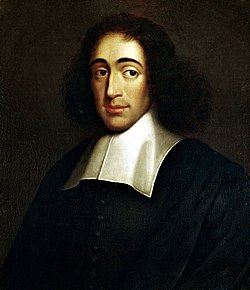
Blessedness is not the reward of virtue, but virtue itself; neither do we rejoice therein, because we control our lusts, but, contrariwise, because we rejoice therein, we are able to control our lusts.

Wealth and honor are what every man desires. But if they have been obtained in violation of moral principles, they must not be kept.

Moral excellence is an ornament for personal beauty; righteous conduct, for high birth; success, for learning; and proper spending, for wealth.

We must ever bear in mind that the great end in view is righteousness, justice as between man and man, nation and nation, the chance to lead our lives on a somewhat higher level, with a broader spirit of brotherly goodwill one for another. Peace is generally good in itself, but it is never the highest good unless it comes as the handmaid of righteousness; and it becomes a very evil thing if it serves merely as a mask for cowardice and sloth, or as an instrument to further the ends of despotism or anarchy. We despise and abhor the bully, the brawler, the oppressor, whether in private or public life, but we despise no less the coward and the voluptuary. No man is worth calling a man who will not fight rather than submit to infamy or see those that are dear to him suffer wrong. No nation deserves to exist if it permits itself to lose the stern and virile virtues; and this without regard to whether the loss is due to the growth of a heartless and all-absorbing commercialism, to prolonged indulgence in luxury and soft, effortless ease, or to the deification of a warped and twisted sentimentality.

Of a surety, at the Day of Judgment it will be demanded of us, not what we have read, but what we have done; not how well we have spoken, but how holily we have lived.

Virtue is serious business; everything else is farce.
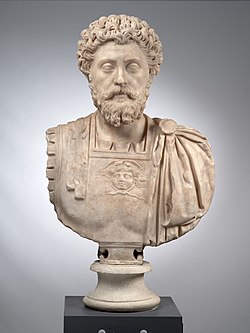
From my mother, piety and beneficence, and abstinence, not only from evil deeds, but even from evil thoughts; and further, simplicity in my way of living, far removed from the habits of the rich.

That is not riches, which may be lost; virtue is our true good and the true reward of its possessor. That cannot be lost; that never deserts us, but when life leaves us. As to property and external riches, hold them with trembling; they often leave their possessor in contempt, and mocked at for having lost them.

But between us and Goodness the gods have placed the sweat of our brows: long and steep is the path that leads to her, and it is rough at the first; but when a man has reached the top, then is she easy to reach, though before that she was hard.
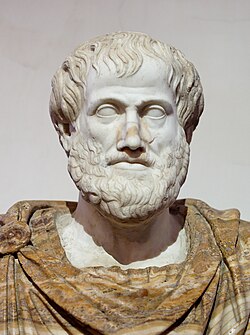
It is well said, then, that it is by doing just acts that the just man is produced, and by doing temperate acts the temperate man; without doing these no one would have even a prospect of becoming good. But most people do not do these, but take refuge in theory and think they are being philosophers and will become good in this way, behaving somewhat like patients who listen attentively to their doctors, but do none of the things they are ordered to do.
Yet living and dying, honour and dishonour, pain and pleasure, riches and poverty, and so forth are equally the lot of good men and bad. Things like these neither elevate nor degrade; and therefore they are no more good than they are evil.

For one man cannot do right in one department of life whilst he is occupied in doing wrong in any other department. Life is one indivisible whole.

When you have decided that a thing ought to be done and are doing it, never avoid being seen doing it, though many shall form an unfavorable opinion about it. For if it is not right, avoid doing the thing; but if it is right, why are you afraid of those who shall find fault wrongly?
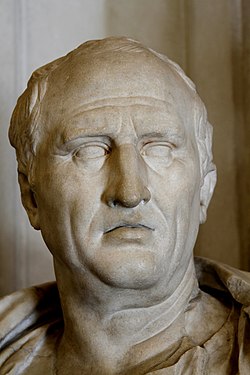
True glory takes root and spreads; all pretenses quickly fall like flowers, and nothing feigned can last.

The best laws cannot make a constitution work in spite of morals; morals can turn the worst laws to advantage. That is a commonplace truth, but one to which my studies are always bringing me back. It is the central point in my conception. I see it at the end of all my reflections.
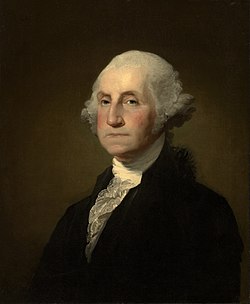
It is substantially true, that virtue or morality is a necessary spring of popular government. The rule, indeed, extends with more or less force to every species of free government.
Virtue is the root; wealth is the result.
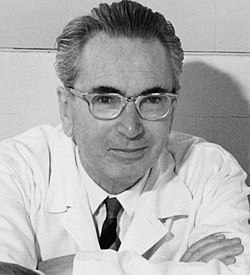
The way in which a man accepts his fate and all the suffering it entails, the way in which he takes up his cross, gives him ample opportunity — even under the most difficult circumstances — to add a deeper meaning to his life. It may remain brave, dignified and unselfish. Or in the bitter fight for self-preservation he may forget his human dignity and become no more than an animal. Here lies the chance for a man either to make use of or to forgo the opportunities of attaining the moral values that a difficult situation may afford him. And this decides whether he is worthy of his sufferings or not.
If we lose the virile, manly qualities, and sink into a nation of mere hucksters, putting gain over national honor, and subordinating everything to mere ease of life, then we shall indeed reach a condition worse than that of the ancient civilizations in the years of their decay.
Guide the people by law, subdue them by punishment; they may shun crime, but will be void of shame. Guide them by example, subdue them by courtesy; they will learn shame, and come to be good.
The man of perfect virtue is cautious and slow in his speech. When a man feels the difficulty of doing, can he be other than cautious and slow in speaking?
The man of virtue makes the difficulty to be overcome his first business, and success only a subsequent consideration.
There is no principle worth the name if it is not wholly good. I swear by non-violence because I know that it alone conduces to the highest good of mankind, not merely in the next world, but in this also. I object to violence because, when it appears to do good, the good is only temporary, the evil it does is permanent.