Life will have terrible blows, horrible blows, unfair blows. It doesn't matter. And some people recover and others don't. There I think the attitude of Epictetus is the best. He thought that every mischance in life was an opportunity to behave well — an opportunity to learn something.
You've got to have models in your head. And you've got to array your experience — both vicarious and direct — on this latticework of models.
I constantly see people rise in life who are not the smartest, sometimes not even the most diligent, but they are learning machines. They go to bed every night a little wiser than they were when they got up and boy does that help, particularly when you have a long run ahead of you.
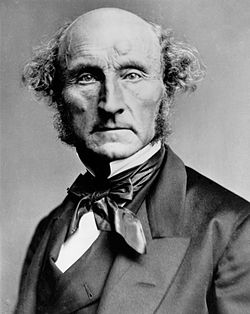 John Stuart Mill·1859
He who knows only his own side of the case, knows little of that.
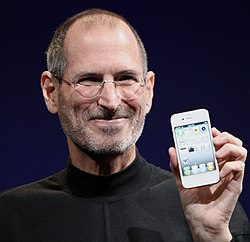 Steve Jobs·1996
Creativity is just connecting things. When you ask creative people how they did something, they feel a little guilty because they didn't really do it, they just saw something. It seemed obvious to them after a while. That's because they were able to connect experiences they've had and synthesize new things. And the reason they were able to do that was that they've had more experiences or they have thought more about their experiences than other people... Unfortunately, that's too rare a commodity. A lot of people in our industry haven't had very diverse experiences. So they don't have enough dots to connect, and they end up with very linear solutions without a broad perspective on the problem. The broader one's understanding of the human experience, the better design we will have.
 Robert Heinlein·1973
A human being should be able to change a diaper, plan an invasion, butcher a hog, conn a ship, design a building, write a sonnet, balance accounts, build a wall, set a bone, comfort the dying, take orders, give orders, cooperate, act alone, solve equations, analyse a new problem, pitch manure, program a computer, cook a tasty meal, fight efficiently, die gallantly. Specialization is for insects.