It seems that perfection is attained not when there is nothing more to add, but when there is nothing more to take away.
It is only with the heart that one can see rightly; what is essential is invisible to the eye.
You become responsible, forever, for what you have tamed.
 Rudyard Kipling·1910
If you can keep your head when all about you Are losing theirs and blaming it on you, If you can trust yourself when all men doubt you, But make allowance for their doubting too; If you can wait and not be tired by waiting, Or being lied about, don't deal in lies, Or being hated, don't give way to hating, And yet don't look too good, nor talk too wise: If you can dream—and not make dreams your master; If you can think—and not make thoughts your aim; If you can meet with Triumph and Disaster And treat those two impostors just the same; If you can bear to hear the truth you've spoken Twisted by knaves to make a trap for fools, Or watch the things you gave your life to, broken, And stoop and build 'em up with worn-out tools: If you can make one heap of all your winnings And risk it on one turn of pitch-and-toss, And lose, and start again at your beginnings And never breathe a word about your loss; If you can force your heart and nerve and sinew To serve your turn long after they are gone, And so hold on when there is nothing in you Except the Will which says to them: 'Hold on!' If you can talk with crowds and keep your virtue, Or walk with Kings—nor lose the common touch, If neither foes nor loving friends can hurt you, If all men count with you, but none too much; If you can fill the unforgiving minute With sixty seconds' worth of distance run, Yours is the Earth and everything that's in it, And—which is more—you'll be a Man, my son!
 Adam Smith·1759
When the happiness or misery of others depends in any respect upon our conduct, we dare not, as self–love might suggest to us, prefer the interest of one to that of many. The man within immediately calls to us, that we value ourselves too much and other people too little, and that, by doing so, we render ourselves the proper object of the contempt and indignation of our brethren. Neither is this sentiment confined to men of extraordinary magnanimity and virtue. It is deeply impressed upon every tolerably good soldier, who feels that he would become the scorn of his companions, if he could be supposed capable of shrinking from danger, or of hesitating, either to expose or to throw away his life, when the good of the service required it.
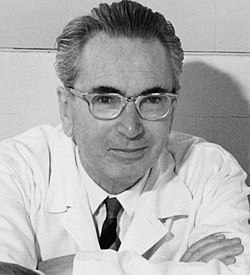 Viktor Frankl·1946
The way in which a man accepts his fate and all the suffering it entails, the way in which he takes up his cross, gives him ample opportunity — even under the most difficult circumstances — to add a deeper meaning to his life. It may remain brave, dignified and unselfish. Or in the bitter fight for self-preservation he may forget his human dignity and become no more than an animal. Here lies the chance for a man either to make use of or to forgo the opportunities of attaining the moral values that a difficult situation may afford him. And this decides whether he is worthy of his sufferings or not.
