
Echoes
Dieter Rams
1980
“Good design is long-lasting. It avoids being fashionable and therefore never appears antiquated. Unlike fashionable design, it lasts many years — even in today's throwaway society.”
❧
Good design is unobtrusive. Products fulfilling a purpose are like tools. They are neither decorative objects nor works of art. Their design should therefore be both neutral and restrained, to leave room for the user's self-expression.

The fashion of this world passeth away and I would fain occupy myself with the things that are abiding.
Good design is as little design as possible. Less, but better — because it concentrates on the essential aspects, and the products are not burdened with non-essentials. Back to purity, back to simplicity.
Good design is honest. It does not make a product more innovative, powerful or valuable than it really is. It does not attempt to manipulate the consumer with promises that cannot be kept.
Good design is thorough down to the last detail. Nothing must be arbitrary or left to chance. Care and accuracy in the design process show respect towards the consumer.
The aesthetic quality of a product is an integral aspect of its usefulness. But a thing can only be beautiful if it is also well made.

You will hear every day the maxims of a low prudence. You will hear, that the first duty is to get land and money, place and name. "What is this Truth you seek? What is this Beauty?" men will ask, with derision. If, nevertheless, God have called any of you to explore truth and beauty, be bold, be firm, be true. When you shall say, "As others do, so will I. I renounce, I am sorry for it, my early visions; I must eat the good of the land, and let learning and romantic expectations go, until a more convenient season." — then dies the man in you; then once more perish the buds of art, and poetry, and science, as they have died already in a thousand thousand men. The hour of that choice is the crisis of your history; and see that you hold yourself fast by the intellect. ... Bend to the persuasion which is flowing to you from every object in Nature, to be its tongue to the heart of man, and to show the besotted world how passing fair is wisdom.

Our bodies are perishable, wealth is not at all permanent and death is always nearby. Therefore we must immediately engage in acts of merit.

Beware lest you lose the substance by grasping at the shadow.
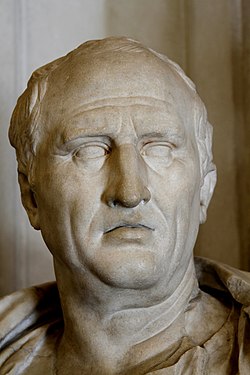
True glory takes root and spreads; all pretenses quickly fall like flowers, and nothing feigned can last.

Bear in mind, that if through toil you accomplish a good deed, that toil will quickly pass from you, the good deed will not leave you so long as you live; but if through pleasure you do anything dishonourable, the pleasure will quickly pass away, that dishonourable act will remain with you for ever.
Only the great generalizations survive. The sharp words of the Declaration of Independence, lampooned then and since as 'glittering generalities,' have turned out blazing ubiquities that will burn forever and ever.

It is himself he is approaching, no other; and he should begin by turning resolutely away from all devices that are popularly believed to indicate style — all mannerisms, tricks, adornments.
Moral excellence is an ornament for personal beauty; righteous conduct, for high birth; success, for learning; and proper spending, for wealth.
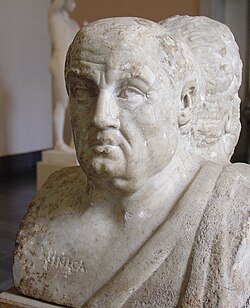
The point is, not how long you live, but how nobly you live. And often this living nobly means that you cannot live long.
As is a tale, so is life: not how long it is, but how good it is, is what matters.

The value of life lies not in the length of days, but in the use we make of them... Whether you find satisfaction in life depends not on your tale of years, but on your will.
To achieve style, begin by affecting none.
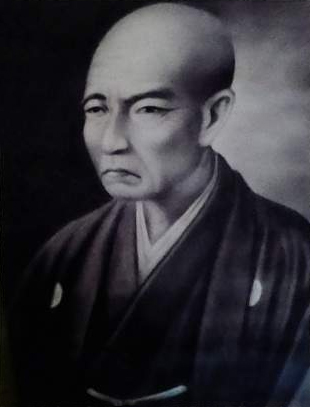
It is said that what is called the spirit of an age is something to which one cannot return. That this spirit gradually dissipates is due to the world's coming to an end. In the same way, a single year does not have just spring or summer. A single day, too, is the same.

Human subtlety...will never devise an invention more beautiful, more simple or more direct than does nature, because in her inventions nothing is lacking, and nothing is superfluous.

Instead of announcing that what you are about to tell is interesting, make it so.
People are frugal in guarding their personal property; but as soon as it comes to squandering time they are most wasteful of the one thing in which it is right to be stingy.
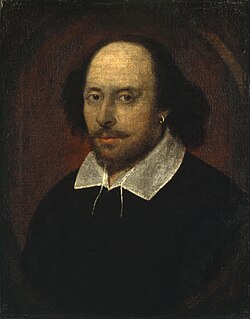
What's in a name? That which we call a rose,By any other name would smell as sweet.
Wherever your life ends, it is all there. The utility of living consists not in the length of days, but in the use of time; a man may have lived long, and yet lived but a little. Make use of time while it is present with you. It depends upon your will, and not upon the number of days, to have a sufficient length of life. Is it possible you can imagine never to arrive at the place towards which you are continually going? and yet there is no journey but hath its end. And, if company will make it more pleasant or more easy to you, does not all the world go the self-same way?