
Echoes

Kobayashi Issa
1819
“In this world / we walk on the roof of hell / gazing at flowers”
❧

O light! This is the cry of all the characters of ancient drama brought face to face with their fate. This last resort was ours, too, and I knew it now. In the middle of winter I at last discovered that there was in me an invincible summer.
In the midst of winter, I found there was, within me, an invincible summer.

Hope is necessary in every condition. The miseries of poverty, of sickness, or captivity, would, without this comfort, be insupportable; nor does it appear that the happiest lot of terrestrial existence can set us above the want of this general blessing; or that life, when the gifts of nature and of fortune are accumulated upon it, would not still be wretched, were it not elevated and delighted by the expectation of some new possession, of some enjoyment yet behind, by which the wish shall at last be satisfied, and the heart filled up to its utmost extent.

Now is the winter of our discontentMade glorious summer by this sun of York.

All is not frustrated, though thou find thyself very often afflicted or grievously tempted. Thou art man, not God; thou art flesh, not an angel.

The beauty of the world which is so soon to perish, has two edges, one of laughter, one of anguish, cutting the heart asunder.
It is the failing of a certain literature to believe that life is tragic because it is wretched. Life can be magnificent and overwhelming — that is its whole tragedy. Without beauty, love, or danger it would be almost easy to live. And M. Sartre's hero does not perhaps give us the real meaning of his anguish when he insists on those aspects of man he finds repugnant, instead of basing his reasons for despair on certain of man's signs of greatness. The realization that life is absurd cannot be an end, but only a beginning. This is a truth nearly all great minds have taken as their starting point. It is not this discovery that is interesting, but the consequences and rules of action drawn from it.

That though the radiance which was once so bright be now for ever taken from my sight, though nothing can bring back the hour of splendour in the grass, of glory in the flower; we will grieve not, rather find strength in what remains behind.
It is good for us that we sometimes have sorrows and adversities, for they often make a man lay to heart that he is only a stranger and sojourner, and may not put his trust in any worldly thing. It is good that we sometimes endure contradictions, and are hardly and unfairly judged, when we do and mean what is good. For these things help us to be humble, and shield us from vain-glory.

After the dazzle of day is gone, only the dark, dark night shows to my eyes the stars; after the plain of the surface and the breakers have gone, the depths of the ocean show beautiful forms.

We have surmounted all the perils and endured all the agonies of the past. We shall provide against and thus prevail over the dangers and problems of the future, withhold no sacrifice, grudge no toil, seek no sordid gain, fear no foe. All will be well. We have, I believe, within us the life-strength and guiding light by which the tormented world around us may find the harbour of safety, after a storm-beaten voyage.

The blue of the sky compensates for the brevity of life.
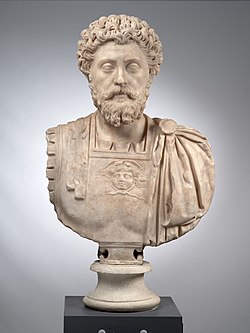
So remember this principle when something threatens to cause you pain: the thing itself was no misfortune at all; to endure it and prevail is great good fortune.

Come, let us go snow-viewing till we are buried.

I wiped away the weeds and foam, And fetched my sea-born treasures home; But the poor, unsightly, noisome things Had left their beauty on the shore With the sun, and the sand, and the wild uproar.
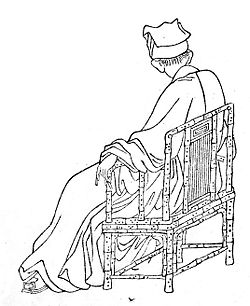
Empty mountain — no one in sight, / yet voices of men are heard. / Sun's reflected light enters the deep wood, / shining once more upon green moss.

Man is a dream of a shadow. But when god-given brightness comes, a shining light rests on men, and life is sweet.

We will either find a way through these mountains, or we will make a way through them. No barrier of nature shall stop us.

The woods are lovely, dark and deep, / But I have promises to keep, / And miles to go before I sleep, / And miles to go before I sleep.

O neglectful Nature, wherefore art thou thus partial, becoming to some of thy children a tender and benignant mother, to others a most cruel and ruthless stepmother? I see thy children given into slavery to others without ever receiving any benefit, and in lieu of any reward for the services they have done for them they are repaid by the severest punishments.
I wandered lonely as a cloud that floats on high o'er vales and hills, when all at once I saw a crowd, a host, of golden daffodils.
Knowing that certain nights whose sweetness lingers will keep returning to the earth and sea after we are gone, yes, this helps us to die.

Need and struggle are what excite and inspire us; our hour of triumph is what brings the void. Not the Jews of the captivity, but those of the days of Solomon's glory are those from whom the pessimistic utterances in our Bible come.
An old silent pond. A frog jumps into the pond — splash! Silence again.