
Echoes

Ovid
8 AD
“Everything changes; nothing perishes.”
❧

What once sprung from the earth sinks back into the earth.

There is nothing new under the sun.
From nothing comes nothing. Nothing that exists can be destroyed. All changes are due to the combination and separation of atoms.

What's in a name? That which we call a rose,By any other name would smell as sweet.

Knowing that certain nights whose sweetness lingers will keep returning to the earth and sea after we are gone, yes, this helps us to die.
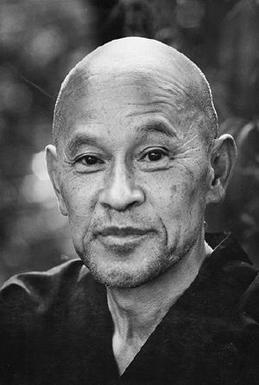
The basic teaching of Buddhism is the teaching of transiency or change. That everything changes is the basic truth for each existence. No one can deny this truth and all teaching of Buddhism is condensed within it. This is the teaching for all of us. Wherever we go this teaching is true. This teaching is also understood as the teaching of selflessness. Because each existence is in constant change, there is no abiding self.

History is largely a record of human behavior, and human behavior has not greatly changed.
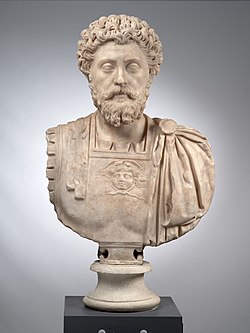
Loss is nothing else but change, and change is Nature's delight.
Nothing is permanent in all the world. All things are fluid; every image forms, wandering through change. Time itself flows on in constant motion, just like a river, for neither the river nor the swift hour can stop its course; but as wave impels wave, and as each wave comes, the one before is both impelled by the next and impels the one ahead, so time both flees and follows and is always new.
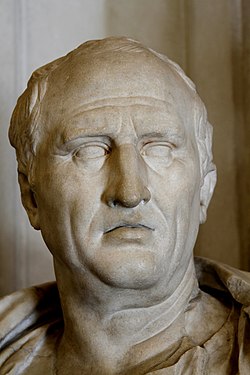
While I breathe, I hope.

A man must shape himself to a new mark when the old one goes to ground.

We live in a world that is lit by lightning. So much is changing and will change, but so much endures and transcends time.

A self that goes on changing is a self that goes on living.

Human nature being what it is, events which happened in the past will at some time or other and in much the same ways be repeated in the future.
The sun is new each day.

Mankind are so much the same, in all times and places, that history informs us of nothing new or strange in this particular. Its chief use is only to discover the constant and universal principles of human nature.

I died as a mineral and became a plant, I died as plant and rose to animal, I died as animal and I was Man. Why should I fear? When was I less by dying?

What we call the beginning is often the end. And to make an end is to make a beginning. The end is where we start from.
That which comes after ever conforms to that which has gone before.
Without accepting the fact that everything changes, we cannot find perfect composure.

To improve is to change; to be perfect is to change often.
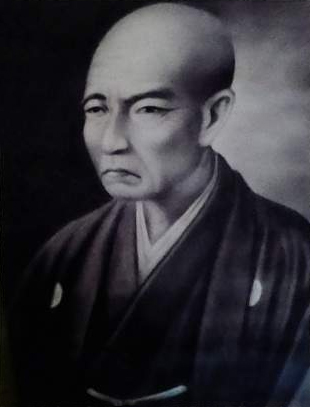
It is said that what is called the spirit of an age is something to which one cannot return. That this spirit gradually dissipates is due to the world's coming to an end. In the same way, a single year does not have just spring or summer. A single day, too, is the same.

One is constantly reminded of the infinite lavishness and fertility of Nature — inexhaustible abundance amid what seems enormous waste. And yet when we look into any of her operations that lie within reach of our minds, we learn that no particle of her material is wasted or worn out. It is eternally flowing from use to use, beauty to yet higher beauty; and we soon cease to lament waste and death, and rather rejoice and exult in the imperishable, unspeakable wealth of the universe, and faithfully watch and wait the reappearance of everything that melts and fades and dies about us, feeling sure that its next appearance will be better and more beautiful than the last.
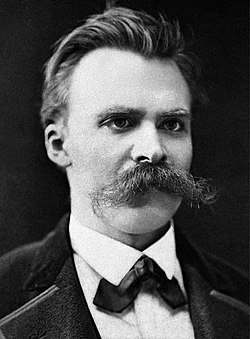
The snake which cannot cast its skin has to die.