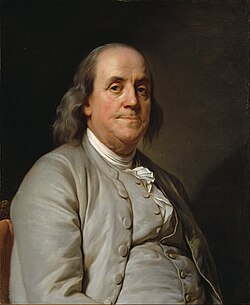
I eat only what is enough to sustain my life. My food is bread, soup, an egg, and a little meat. And the amount I eat is no more than my body can easily digest.
“A person should not eat until his stomach is full. Rather, he should eat until he has consumed approximately three quarters of his fill.”
I eat only what is enough to sustain my life. My food is bread, soup, an egg, and a little meat. And the amount I eat is no more than my body can easily digest.
To lengthen thy life, lessen thy meals.
The food which a temperate man leaves upon his plate is more beneficial than that which a glutton eats.
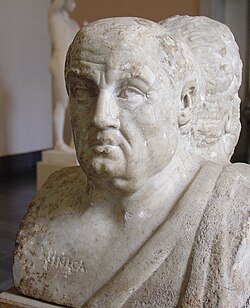
Those who are slaves to their appetites cannot preserve their reason, their memory, or their senses in their full vigour; for a full belly does not produce a fine mind.
An immoderate diet is unhealthy, but a temperate one preserves strength.
There are two sentences inscribed upon the Delphic oracle, hugely accommodated to the usages of man's life: "Know thyself," and "Nothing too much;" and upon these all other precepts depend.
If we could give every individual the right amount of nourishment and exercise, not too little and not too much, we would have found the safest way to health.
One should not eat unless one is hungry, nor drink unless one is thirsty.
As long as a person exercises, exerts himself greatly, does not eat to the point of being overly full, and keeps his bowels soft, illness will not come upon him and his strength will increase.
Excessive eating is like a deadly poison to the body and is a principal cause of all illness.
The stomach is not to be loaded, for there is nothing so hostile to thought as a full belly.
Everything in excess is opposed to nature.
The wise man should restrain his senses like the crane and accomplish his purpose with due knowledge of his place, time and ability.
With parsimony a little is sufficient; without it nothing is sufficient; but frugality makes a poor man rich.
Abstinence is the nurse of the soul.
Frugality is founded on the principle that all riches have limits.
By following entirely the guidance of lust, in the manner of fools, man loses his intellectual energy, injures his body, and perishes before his natural time; sighs and cares multiply; there is an increase of envy, hatred, and warfare, for the purpose of taking what another possesses. The cause of all this is the circumstance that the ignorant considers physical enjoyment as an object to be sought for its own sake. God in His wisdom has therefore given us such commandments as would counteract that object, and prevent us altogether from directing our attention to it, and has debarred us from everything that leads only to excessive desire and to lust. This is an important thing included in the objects of our Law.
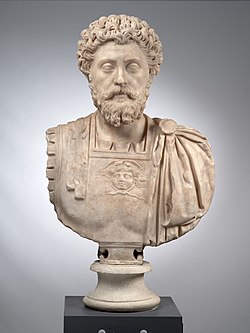
Thou oughtest in every deed and thought so to order thyself, as if thou wert to die this day.
The five colors blind the eye. The five tones deafen the ear. The five flavors dull the taste. Racing and hunting madden the mind. Precious things lead one astray. Therefore the sage is guided by what he feels and not by what he sees. He lets go of that and chooses this.
Yes, you can--if you do everything as if it were the last thing you were doing in your life, and stop being aimless, stop letting your emotions override what your mind tells you, stop being hypocritical, self-centered, irritable.
O God, give us the serenity to accept what cannot be changed, the courage to change what should be changed, and the wisdom to distinguish the one from the other.
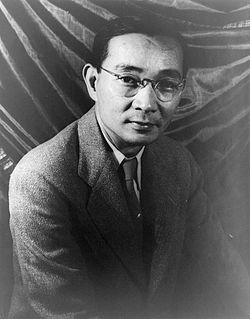
Simplicity, simplicity, simplicity! I say, let your affairs be as two or three, and not a hundred or a thousand; instead of a million count half a dozen, and keep your accounts on your thumb-nail.
Students, when you want to say something, think about it three times before you say it. Speak only if your words will benefit yourselves and others. Do not speak if it brings no benefit.
If a man insisted always on being serious, and never allowed himself a bit of fun and relaxation, he would go mad or become unstable without knowing it.
Keep the faculty of effort alive in you by a little gratuitous exercise every day. That is, be systematically ascetic or heroic in little unnecessary points, do every day or two something for no other reason than that you would rather not do it, so that when the hour of dire need draws nigh, it may find you not unnerved and untrained to stand the test. So with the man who has daily inured himself to habits of concentrated attention, energetic volition, and self-denial in unnecessary things. He will stand like a tower when everything rocks around him, and when his softer fellow-mortals are winnowed like chaff in the blast.