With parsimony a little is sufficient; without it nothing is sufficient; but frugality makes a poor man rich.

“Accumulated wealth is saved by spending, just as incoming fresh water is saved by letting out stagnant water.”
With parsimony a little is sufficient; without it nothing is sufficient; but frugality makes a poor man rich.
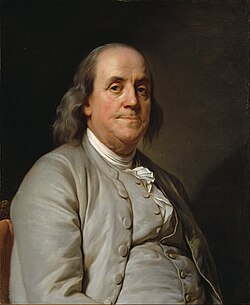
The way to wealth is as plain as the way to market. It depends chiefly on two words: industry and frugality — that is, waste neither time nor money, but make the best use of both.
Be ever active in the management of the economy, because the root of wealth is economic activity; inactivity brings material distress.

Frugality is founded on the principle that all riches have limits.
If you would be wealthy, think of saving as well as getting.

The love of money as a possession — as distinguished from the love of money as a means to the enjoyments and realities of life — will be recognised for what it is, a somewhat disgusting morbidity, one of those semi-criminal, semi-pathological propensities which one hands over with a shudder to the specialists in mental disease.

The problem of our age is the proper administration of wealth, so that the ties of brotherhood may still bind together the rich and poor in harmonious relationship.
Thus is the problem of Rich and Poor to be solved. The laws of accumulation will be left free; the laws of distribution free. Individualism will continue, but the millionaire will be but a trustee of the poor; intrusted for a season with a great part of the increased wealth of the community, but administering it for the community far better than it could or would have done for itself. (pp. 663-664)

That is not riches, which may be lost; virtue is our true good and the true reward of its possessor. That cannot be lost; that never deserts us, but when life leaves us. As to property and external riches, hold them with trembling; they often leave their possessor in contempt, and mocked at for having lost them.
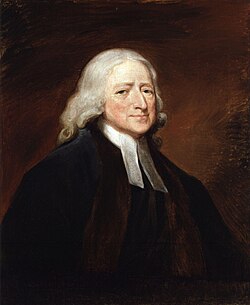
Gain all you can, save all you can, give all you can.
Such, in my opinion, is the true Gospel concerning Wealth, obedience to which is destined some day to solve the problem of the Rich and the Poor, and to bring "Peace on earth, among men Good Will."

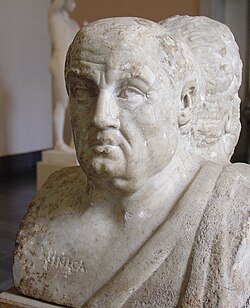
The wealth required by nature is limited and is easy to procure; but the wealth required by vain ideals extends to infinity. (15)

Money is coined liberty, and so it is ten times dearer to the man who is deprived of freedom. If money is jingling in his pocket, he is half consoled, even though he cannot spend it. But money can always and everywhere be spent, and, moreover, forbidden fruit is sweetest of all.
A penny saved is a penny earned.
He who loses his money is forsaken by his friends, his wife, his servants, and his relations; yet when he regains his riches those who have forsaken him come back to him. Hence wealth is certainly the best of relations.
People are frugal in guarding their personal property; but as soon as it comes to squandering time they are most wasteful of the one thing in which it is right to be stingy.
The man who dies thus rich dies disgraced.
Iron rusts from disuse; stagnant water loses its purity and in cold weather becomes frozen; even so does inaction sap the vigor of the mind.

I know of no country, indeed, where the love of money has taken stronger hold on the affections of men, and where the profounder contempt is expressed for the theory of the permanent equality of property.

All the real money in investment will have to be made—as most of it has been in the past— not out of buying and selling but out of owning and holding securities, receiving interests and dividends therein, and benefiting from their long-term increases in value. Hence stockholder's major energies and wisdom as investors should be directed toward assuring themselves of the best operating results from their corporations. This in turn means assuring themselves of fully honest and competent managements.
The man who dies rich dies disgraced.
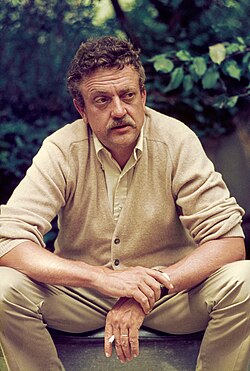
True story, Word of Honor: Joseph Heller, an important and funny writer now dead, and I were at a party given by a billionaire on Shelter Island. I said, 'Joe, how does it make you feel to know that our host only yesterday may have made more money than your novel Catch-22 has earned in its entire history?' And Joe said, 'I've got something he can never have.' And I said, 'What on earth could that be, Joe?' And Joe said, 'The knowledge that I've got enough.' Not bad!
Assert your right to your own time, and gather together and save the time which up till lately has been either taken from you or filched away or has simply passed by unused.
More people are interested in trying to shuffle paper assets around than building lasting assets by producing real goods.

Resolve not to be poor: whatever you have, spend less. Poverty is a great enemy to human happiness; it certainly destroys liberty, and it makes some virtues impracticable, and others extremely difficult.